Pasadena Tree WorksTree removal and trimming, Pasadena, CA
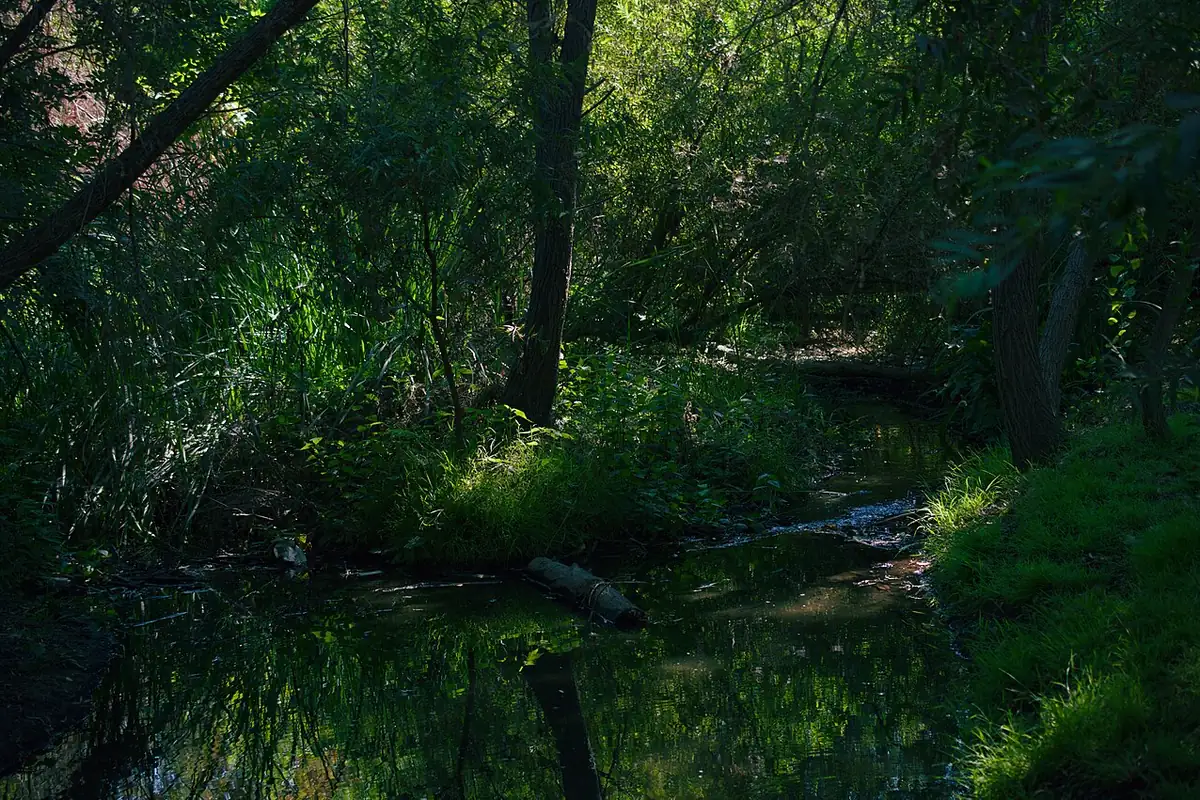
Shaded creek and riparian trees in the Arroyo Seco, Pasadena

Pasadena Tree WorksGuides / Shot Hole Borer

Shot Hole Borer in Pasadena, CA

The polyphagous shot hole borer is a tiny invasive beetle that has been in Pasadena since about 2014, and it's why the City removed 65 California sycamores from the Central and Lower Arroyo in 2015: beetle tunnels made limbs break off without warning. It attacks healthy sycamores, coast live oaks, willows and cottonwoods. Here's how to spot it, what treatment can and can't do, and what to do with the wood.

  • In Pasadena since about 2014
  • City removed 65 Arroyo sycamores in 2015
  • Entry holes about 1/30 inch
  • Chip wood under 1 inch, then solarize
Get a Free Quote

Shot hole borer in Pasadena: what happened in the Arroyo

The shot hole borer reached Pasadena around 2014. By August 2015 the City moved to cut down 65 California sycamores in the Central and Lower Arroyo, from the San Pascual horse stables to the Rose Bowl, citing safety. The beetles bore through the trunk and leave tunnels, called galleries, that weaken the wood, and the biggest danger was lateral branches breaking off mid-branch and falling, as Pasadena Now reported. The Arroyo Seco Foundation has since tracked the beetle on California sycamores, coast live oaks, willows and cottonwoods among more than 110 susceptible species.
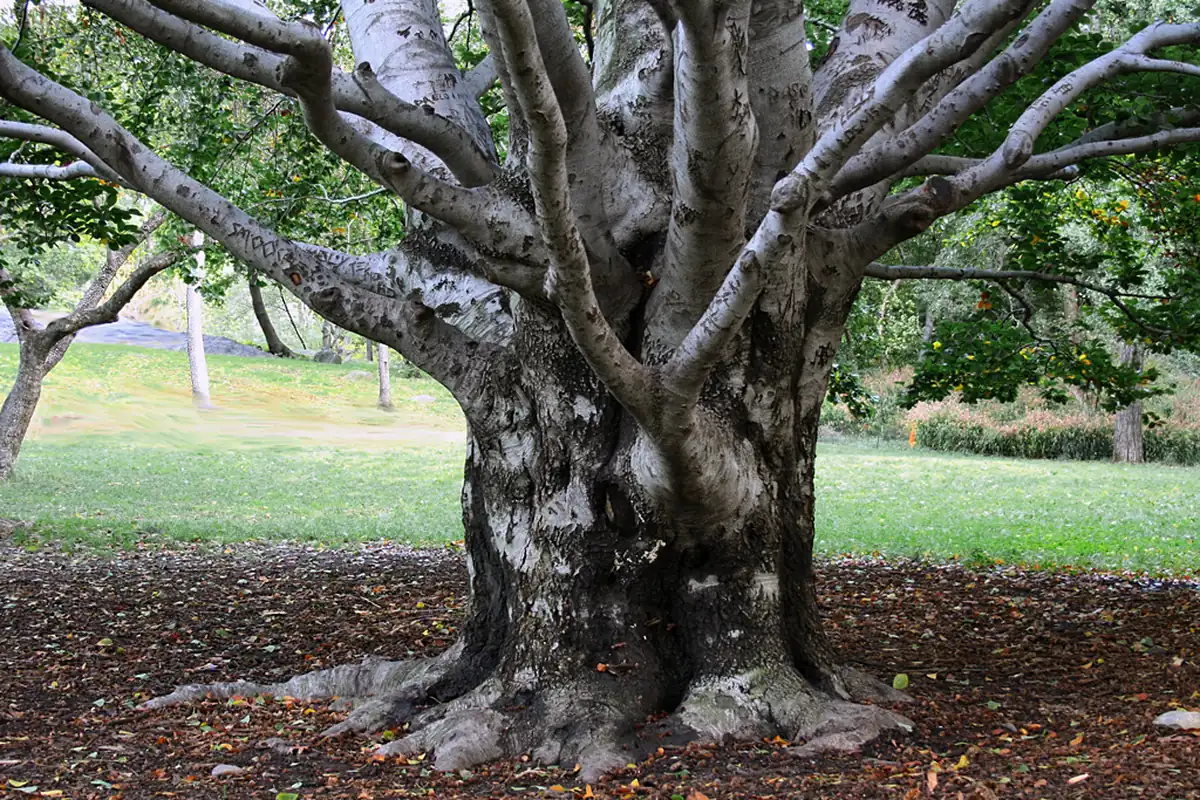

Thick white and gray trunk of a mature sycamore in a park
The trunk of a mature sycamore.
Trail along the Arroyo Seco in Pasadena lined with young trees and log edging
A trail along the Arroyo Seco in Pasadena.

How to spot shot hole borer on your tree

Look closely at the trunk and big limbs of sycamores, oaks, willows and cottonwoods. UC IPM and the U.S. Forest Service describe these signs:

  • Tiny, perfectly round entry holes about 1/30 inch across, roughly the size of a ballpoint pen tip
  • Patches of discoloration and oozing on the bark around the holes: on oaks and sycamores, wet-looking, dark or reddish staining
  • Fine white to tan boring dust near the holes
  • Branch dieback in the crown
  • Limbs breaking off mid-branch without warning

Treatment: what it can and can't do

There's no cure once a tree is heavily infested. UC IPM says systemic insecticides are generally ineffective against these beetles. Preventive sprays of the trunk and limbs with a persistent broad-spectrum insecticide may protect trees that aren't yet infested, and those need professional application. On a lightly infested tree, arborists sometimes cut out the affected limbs to buy time.

When an infested tree becomes a hazard

Because the galleries weaken limbs from the inside, a sycamore can look healthy and still drop a limb. A heavily attacked tree with dieback over a house, a walkway or a street is a hazard tree removal. Sycamores and native oaks over 8 inches are protected in Pasadena, so removal usually runs through a permit on the finding that the tree is not reasonably likely to survive; see the tree removal permit guide and the protected tree list.
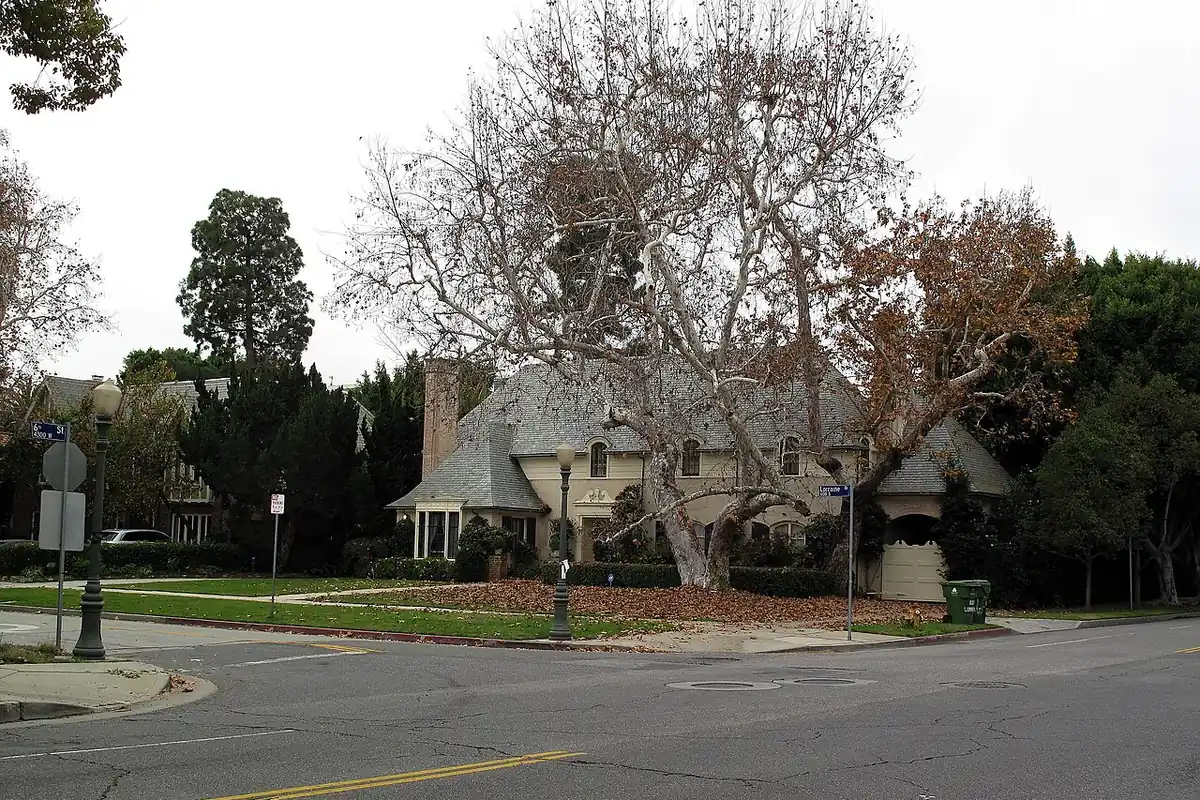
Large bare sycamore over a street corner and a house in Los Angeles
A large sycamore in winter, over a corner house in Los Angeles.

Handling infested wood

Moving infested wood spreads the beetle. UC IPM's guidance:

  • Chip infested wood to pieces smaller than 1 inch, then solarize the chips
  • Cut larger wood into firewood-length logs and solarize them under a clear tarp for several months
  • Don't move infested wood as firewood, to another yard or out of the area
  • Grind the stump and handle the grindings the same way

Ask any crew removing an infested tree how it will handle the wood and chips. For the stump, see stump grinding in Pasadena.
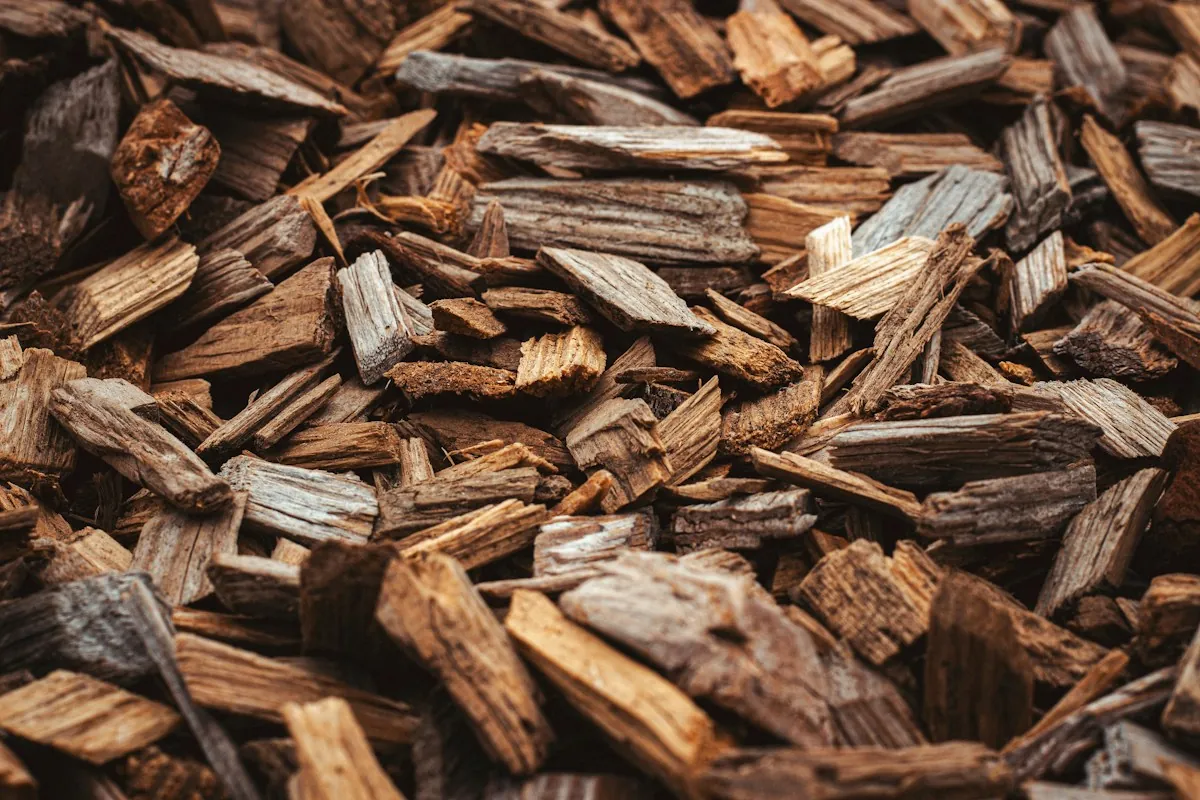
Close view of a pile of fresh wood chips
Fresh chips from the chipper.

Protecting healthy oaks and sycamores

Healthy trees resist pests better. For coast live oaks that means little or no summer water near the trunk, no trenching in the root zone and light pruning in the July to October dormant window, per Los Angeles County's oak guidelines; see oak tree trimming. If an oak is past saving, see oak tree removal; for other trees, tree removal in Pasadena.

Last reviewed October 2026.
Get a Free Tree Quote

Four quick fields. A photo of the tree helps later, not now.

Shot Hole Borer in Pasadena: Questions

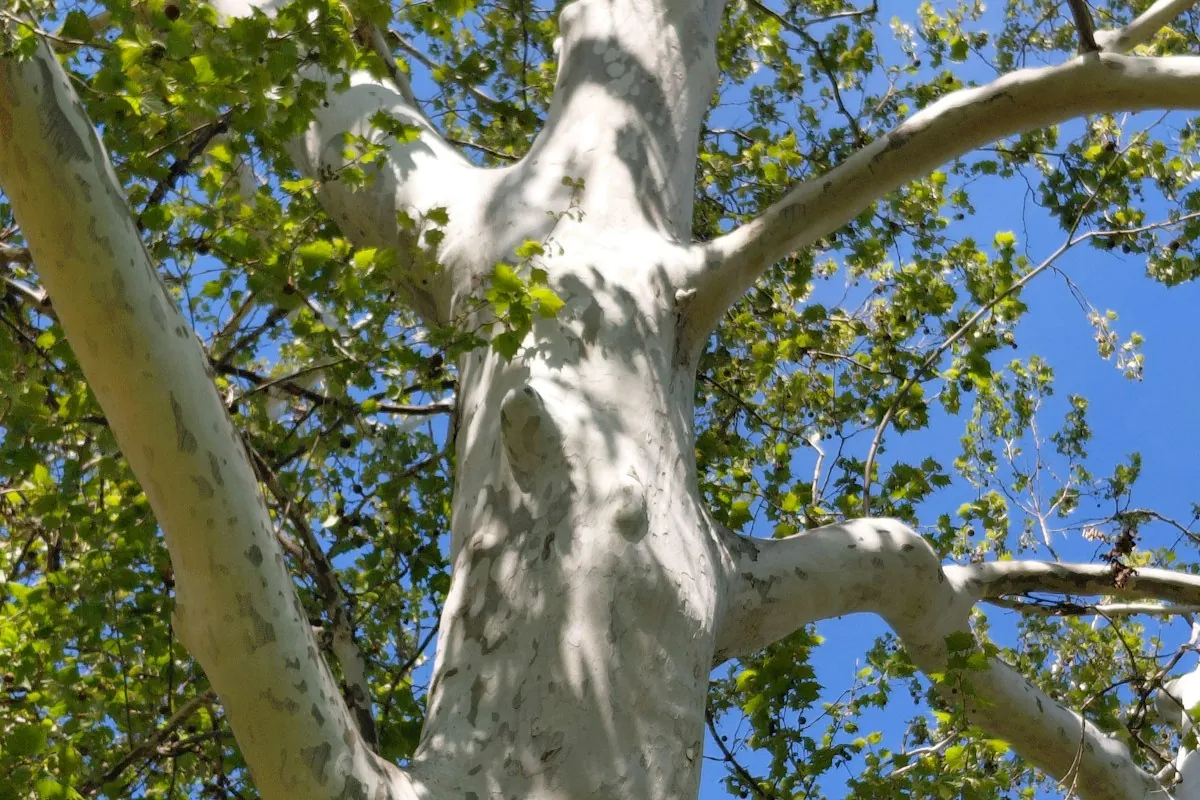
White-barked sycamore trunk and limbs against a blue sky
The pale, patchy bark of a sycamore.

What is the shot hole borer?

The polyphagous and Kuroshio shot hole borers are tiny invasive beetles that tunnel into trees and farm a fungus, Fusarium euwallacea, inside them. Unlike most ambrosia beetles, which only colonize damaged wood, these attack and kill healthy trees, per UC IPM.

Is the shot hole borer in Pasadena?

Yes. It has been in Pasadena since about 2014, and in 2015 the City removed 65 California sycamores in the Central and Lower Arroyo, from the San Pascual stables to the Rose Bowl, because beetle galleries made limbs break off without warning. The Arroyo Seco Foundation has tracked it on sycamores, coast live oaks, willows and cottonwoods.

What are the signs of shot hole borer?

Tiny perfectly round entry holes about 1/30 inch across, the size of a ballpoint pen tip, with patches of wet, dark or reddish staining and oozing around them on sycamores and oaks; fine boring dust; and, as it advances, branch dieback and limbs that snap.

Is there a treatment for shot hole borer?

Not a cure. UC IPM says systemic insecticides are generally ineffective, though preventive sprays of the trunk and limbs with a persistent broad-spectrum insecticide, applied by a professional, may protect uninfested trees. Heavily infested trees are usually removed.

What do I do with wood from an infested tree?

Don't move it as firewood. UC IPM's guidance is to chip infested wood to pieces smaller than 1 inch and solarize the chips, or cut larger wood into firewood-length logs and solarize them under a clear tarp for several months.

Who do I report shot hole borer to?

The Los Angeles County Agricultural Commissioner, which UC IPM names as the place to report suspected infestations. A certified arborist can confirm it on your tree and rate the risk.

Seeing holes and staining on a sycamore or oak?

Send the address and what you're seeing for a free quote on pruning or removal.

Get a Free Quote
Get a Free Quote