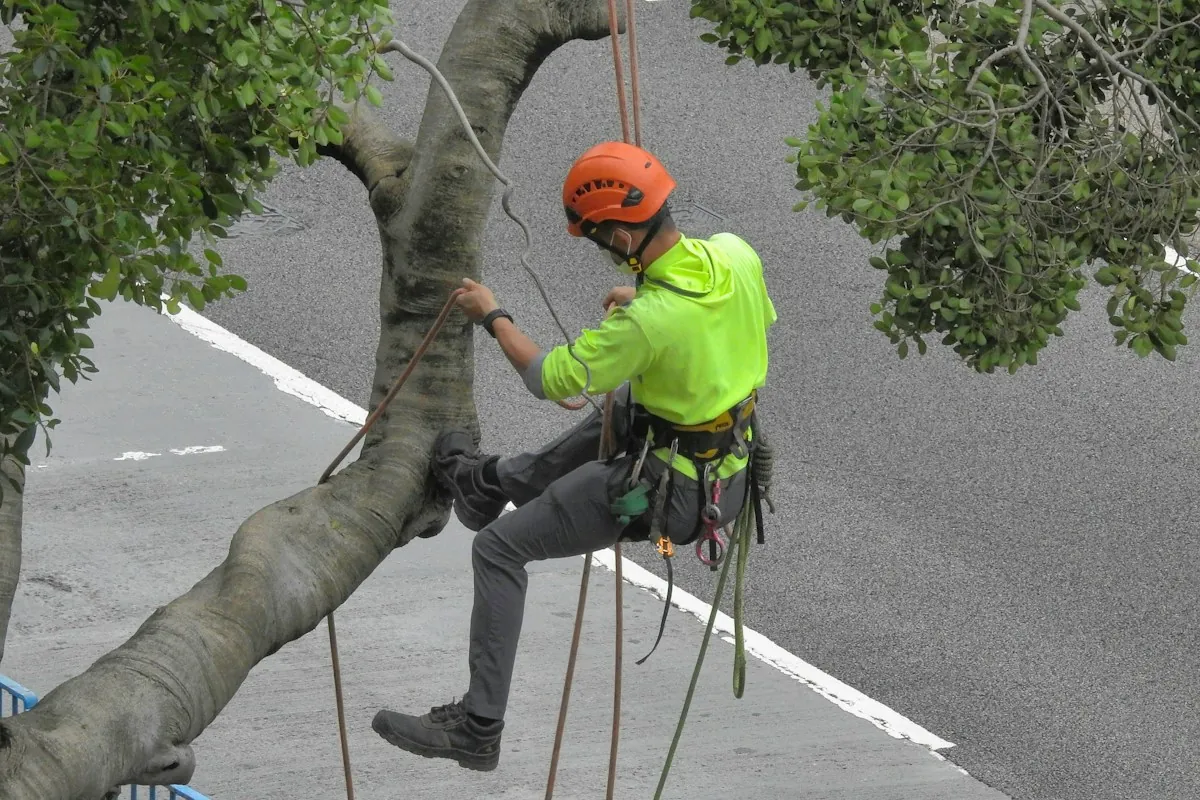
Can I trim my neighbor's tree in Pasadena, or anywhere in California?
You can trim the parts of a neighbor's tree that hang over or grow into your property, up to the property line, but not in a way that harms the tree. California courts recognize a landowner's right to cut encroaching branches and roots, and limit it by a duty to act reasonably. In Booska v. Patel (1994), a neighbor had roots of a Monterey pine cut along the length of his yard and the tree became unsafe and had to come down; the appeals court held the right to cut encroaching roots is “bounded by principles of reasonableness, so as to cause no unreasonable risks of harm to others in the vicinity.”
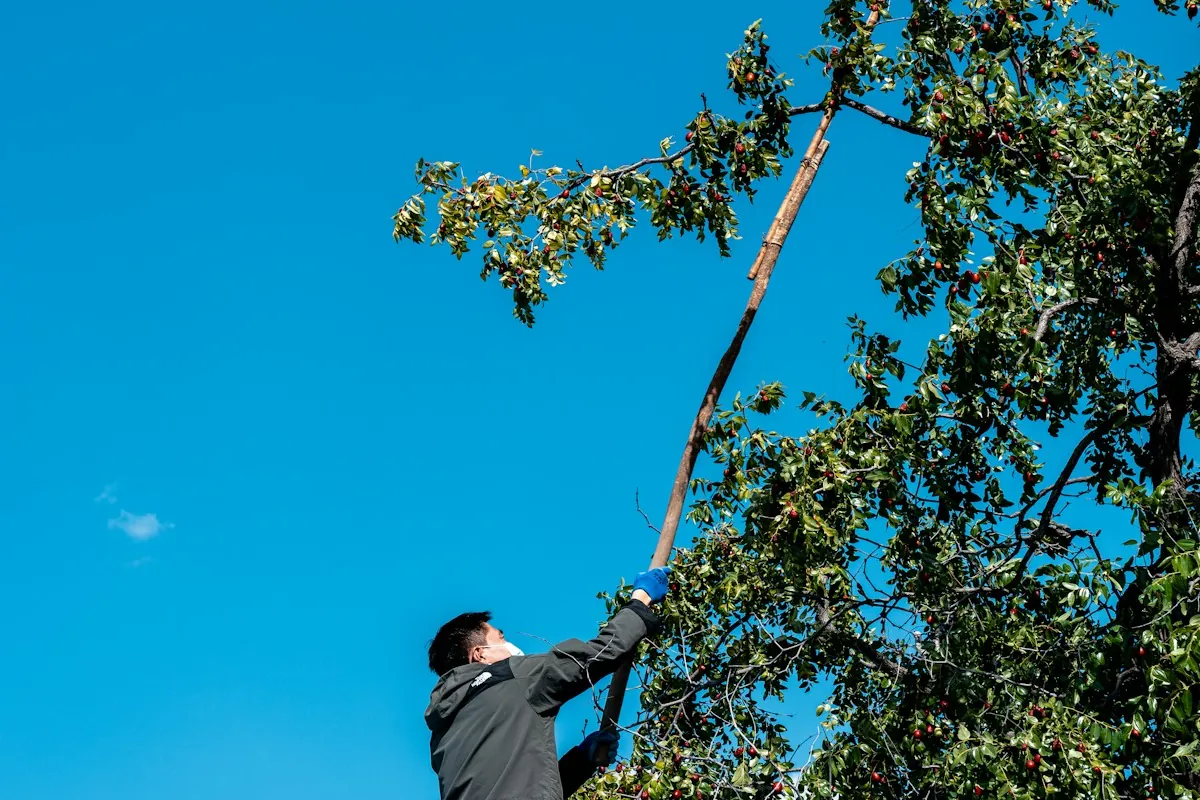
- Stay on your side: cut only what crosses the line, without entering the neighbor's yard or climbing their tree without permission
- Cut lightly and correctly, back to a branch or the trunk side of the line, not leaving a lopsided or topped tree
- Don't cut large structural roots near the trunk; that's how trees fall
- Talk to the owner first, and put any agreement in writing
- Pay for your own trimming; the owner usually isn't required to
Who owns the tree
California's Civil Code answers ownership by where the trunk stands. Section 833: “Trees whose trunks stand wholly upon the land of one owner belong exclusively to him, although their roots grow into the land of another.” Section 834: “Trees whose trunks stand partly on the land of two or more coterminous owners, belong to them in common.” A boundary tree belongs to both neighbors, so one shouldn't remove it without the other.
What it costs to get it wrong
Damaging a neighbor's tree is expensive in California. Civil Code 3346 sets the measure of damages for wrongful injury to, or removal of, trees on another's land at three times what would compensate for the actual harm, or twice that amount where the trespass was casual or involuntary or the person reasonably believed the land was theirs. Claims can be brought up to five years after the act.
Who pays when a neighbor's tree falls
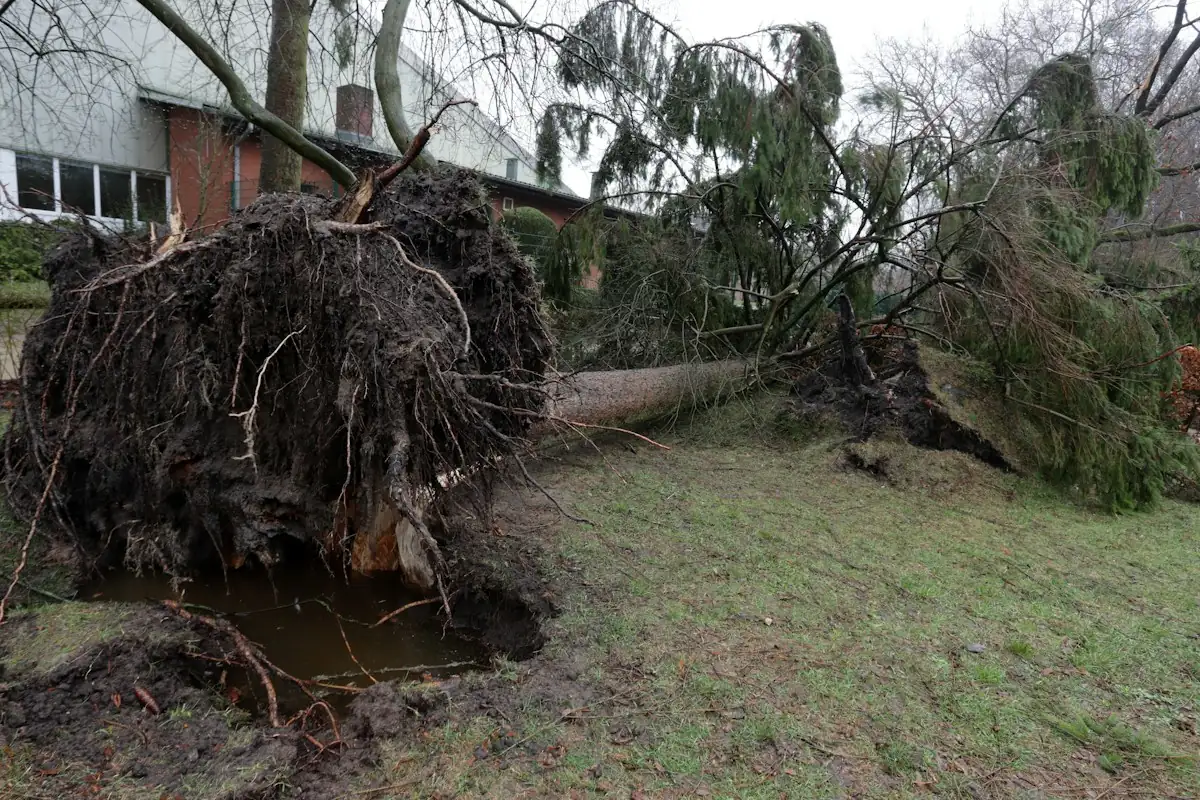
When wind or a storm brings a healthy tree down on your house, your own homeowners insurance usually pays for the damage to your house, even if the tree was the neighbor's. A March 2026 insurance.com guide puts it simply: your policy covers damage to your home up to your limits, and if a tree falls on a neighbor's house, their insurance pays.
The negligence exception
The answer changes when the owner knew the tree was dead or diseased and did nothing. Then the owner's liability coverage may apply. The same guide suggests keeping copies of written complaints to the neighbor, sent by registered mail, and an arborist's inspection record. An arborist report is exactly that kind of record.
| Situation | Usually pays |
|---|---|
| Healthy tree falls on your house in a storm (your tree or the neighbor's) | Your homeowners policy, after the deductible |
| Tree removal after it hits a covered structure | Your policy, often capped at $500 to $1,000 per tree |
| Tree falls and hits nothing | Usually no coverage for removal |
| Known dead or diseased tree falls after warnings | The owner's liability coverage may apply |
| Removing a dead tree before it falls | The owner; insurance doesn't pay |
Swipe the table sideways to see every column →
Source: insurance.com, March 24, 2026. Policies differ; read yours and ask your insurer.
Practical steps with a neighbor's tree
- Photograph the tree and what it's doing: branches on your roof, dead limbs, a lean toward your house
- Talk first, then write: a friendly note, then a dated letter if it's a safety issue
- If you think it's dangerous, get an arborist's opinion in writing
- Trim your side lightly and correctly, or hire it done
- After a fall, photograph everything and call your insurer before clearing
For a light trim back to the line, see tree trimming in Pasadena. If a tree has already come down, see emergency tree removal; if one is failing, hazard tree removal; for your own trees, tree removal in Pasadena. This guide is general information, not legal advice.
Last reviewed October 2026.